Charlie’s Letters « Charlie Teo Foundation

REBEL with a cause

1st May 2026

Hello Friends,

Today marks the first day of Brain Cancer Awareness Month.

Let’s start with something uncomfortable, but real.

Cancer isn’t going anywhere.
Not this month. Not next year. Not anytime soon.

And brain cancer? It’s still one of the most underfunded, least understood, and most devastating diagnoses a person and their family can face.
That’s the reality.
Hello Friends,

Today marks the first day of Brain Cancer Awareness Month.

Let’s start with something uncomfortable, but real.

Cancer isn’t going anywhere.

Not this month. Not next year. Not anytime soon.

And brain cancer? It’s still one of the most underfunded, least understood, and most devastating diagnoses a person and their family can face.

That’s the reality.
But here’s the part I refuse to accept… that we just sit back and wait.

I’ve never been very good at doing things the conventional way. If you know me, you know that. Being called a “rebel” was never the plan, it was just the only way forward when the system wasn’t moving fast enough. Because while tradition plays it safe… patients don’t have time for safe.

They need bold.

They need urgency.

They need people willing to challenge the status quo.

That’s why as the founder of the Charlie Teo Foundation I want to update you: our supporters, our community, our fellow rebels. I urge you to read our Annual Brain Cancer Research Update below. 

We are continuing to back research that others won’t. We are asking bigger questions. We are pushing boundaries that need to be pushed. Not because it’s easy… but because it’s necessary.

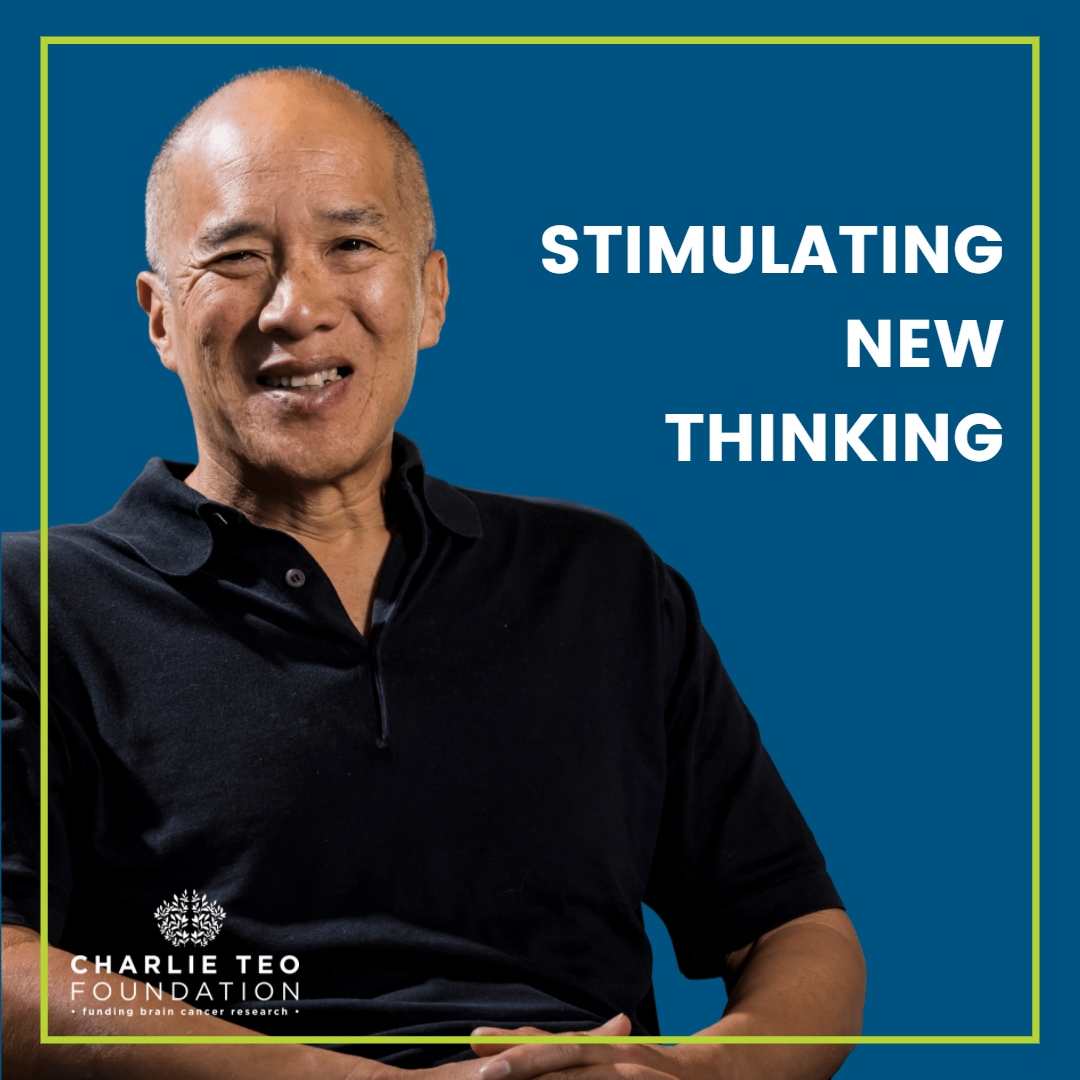
"I’ve never been very good at doing things the conventional way. Being called a “rebel” was never the plan, it was just the only way forward when the system wasn’t moving fast enough." - Dr Charlie Teo AM

And that’s exactly why the Rebel Ball exists. It’s not just another event. It’s a room full of people who refuse to accept “good enough.” It’s where disruption meets purpose. It’s where we raise the funds that allow us to think differently, act faster, and fight harder.

If you’ve ever wanted to be part of something that actually challenges the system, this is it.

Join us. Stand with us. Back the work that others won’t.

Because change doesn’t come from playing it safe.

It comes from REBELS.

So please join me and come to the Rebel Ball, or stand with us in spirit with a fully tax-deductible Virtual Ticket!

Love Charlie

Dr Charlie Teo AM
Founder, Charlie Teo Foundation

ANNUAL RESEARCH UPDATE

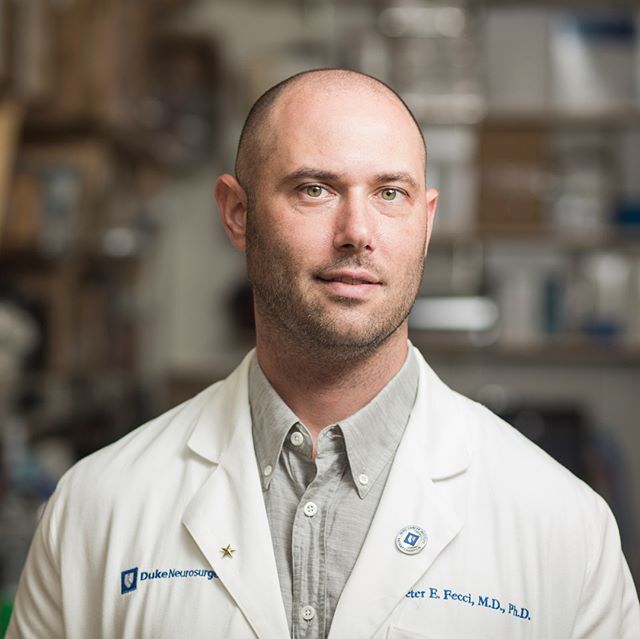
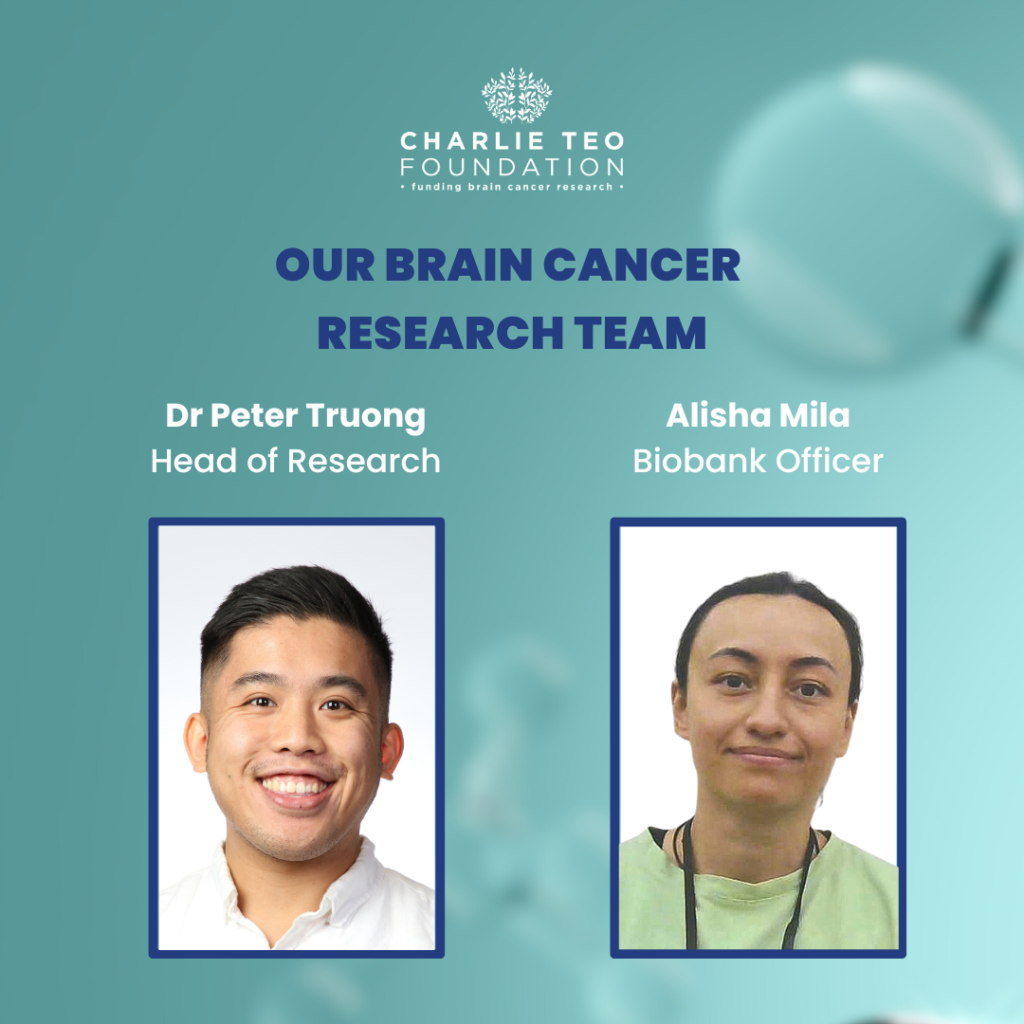
Peter Truong, PhD
Charlie Teo Foundation Head of Research

Brain Cancer Research in Australia

When Charlie started out in the field of neurosurgery, treatment options for brain cancer patients were brutally limited. In 2005, the Stupp protocol combined radiotherapy with temozolomide and moved the survival needle for glioblastoma (GBM), the first real progress in decades. But twenty years on, it remains the standard of care.

More recently, we see genuine momentum! CAR T-cell therapies and oncolytic viruses are entering clinical trials and showing early signals of benefit. Professor Richard Scolyer became the first person in the world to receive pre-surgical combination immunotherapy for GBM, adapted from his own melanoma research, which has led to a new clinical trial.

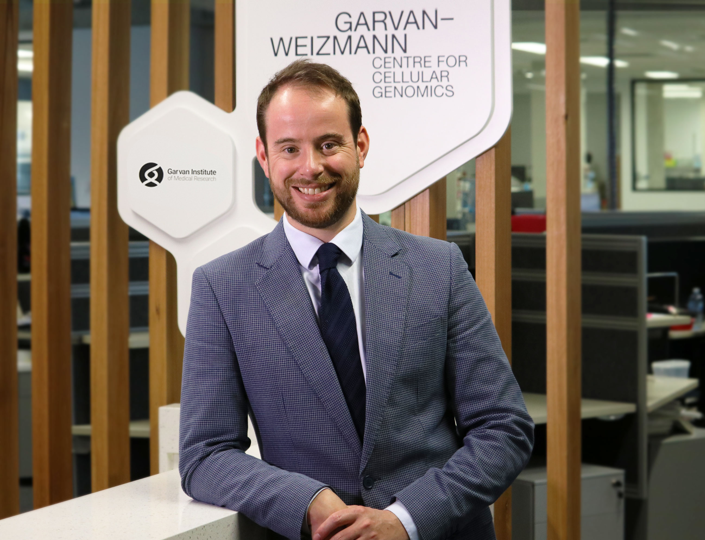
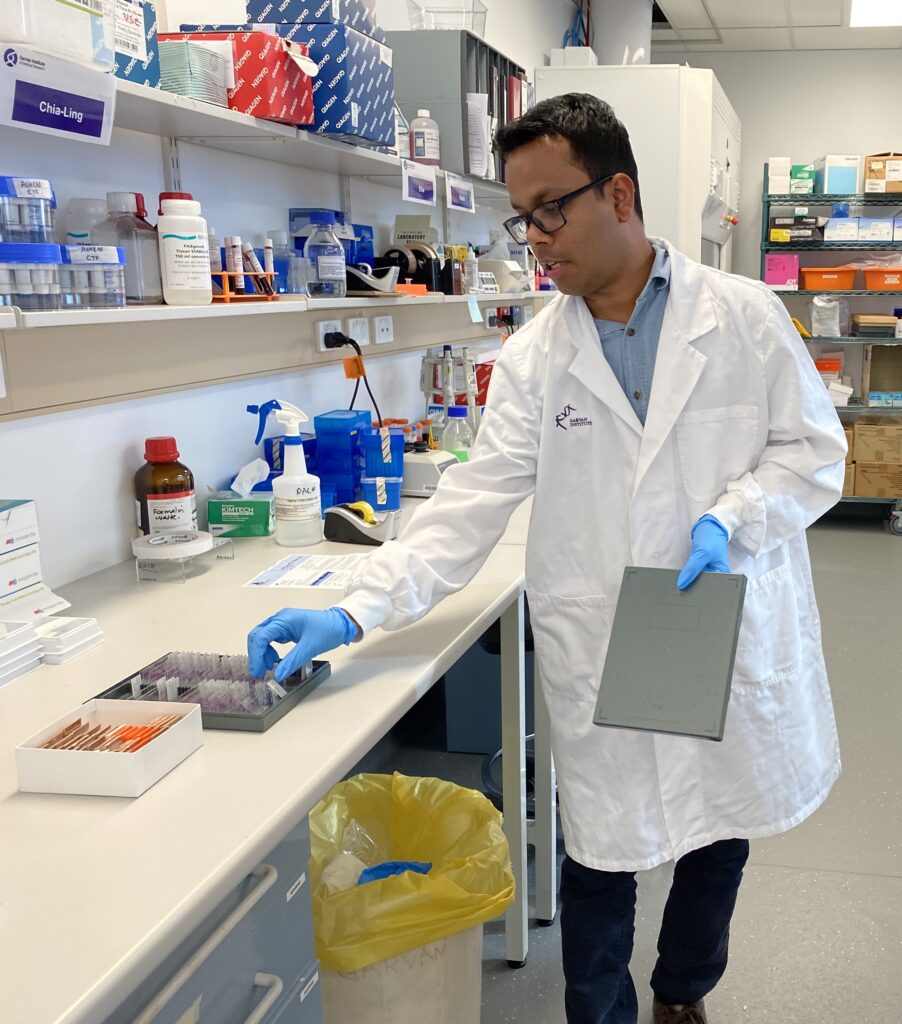
And from our own partnership with Professor Joseph Powell at the Garvan Institute of Medical Research, we are beginning to understand why brain tumours are so complex at a cellular level, uncovering details about what drives recurrence that we simply did not have 25 years ago. That understanding is what will unlock the next generation of treatments for people with brain cancer. 

For children with DIPG/DMG, the story has been even more confronting. Neil Armstrong’s two-year-old daughter died from this disease in 1962, seven years before he walked on the moon. For decades after, radiotherapy was the only option, with median survival of less than a year. Families were told to go home and make memories. 

Then in August 2025, for the first time ever, the FDA approved a treatment for recurrent DMG. ONC201, now known as Modeyso, roughly doubles survival compared to historical outcomes.

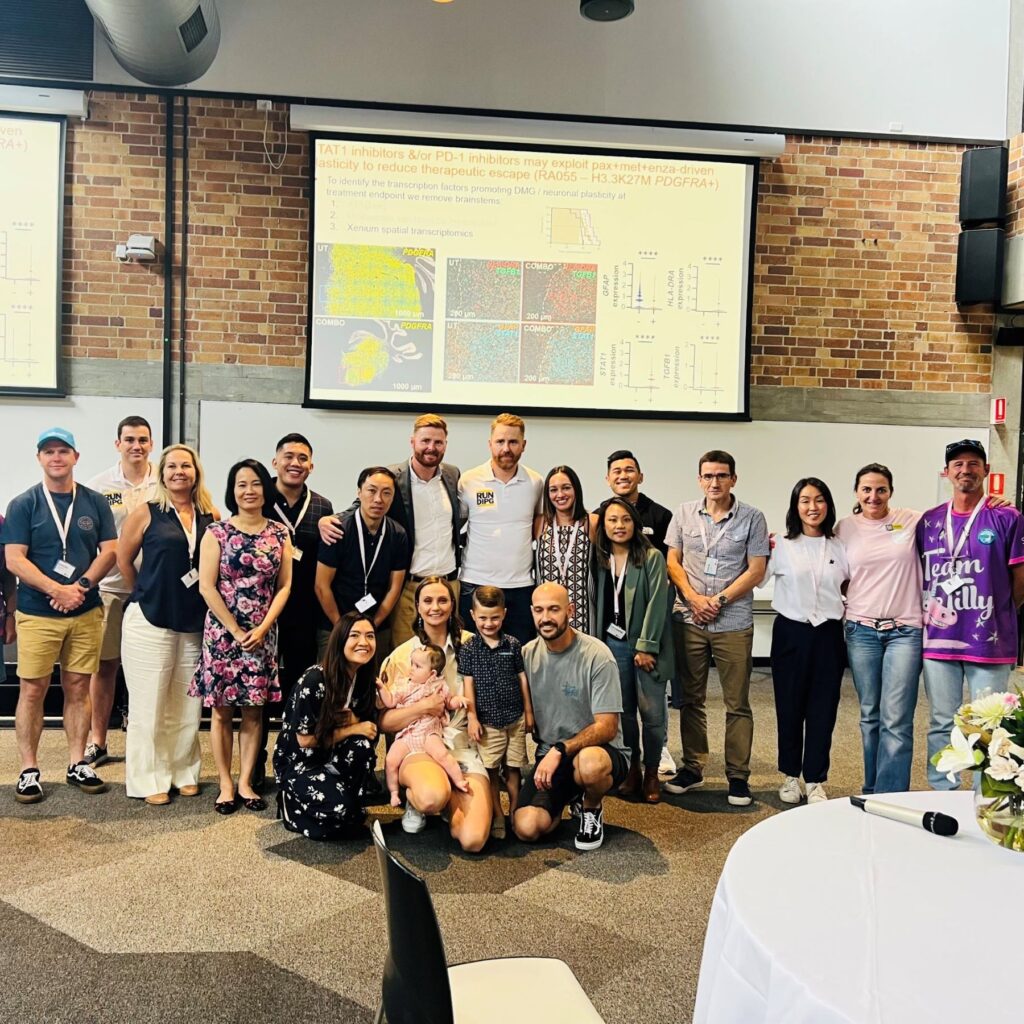
Our funded researcher Professor Matt Dun at the University of Newcastle has already built on this, developing a combination therapy with a second drug, paxalisib, now in an international phase II clinical trial. We will continue pushing boundaries to offer hope to children and their families suffering from these truly terrible tumours. 

Brain cancer remains one of the deadliest cancers yet receives a disproportionately small share of research funding. Childhood leukaemia was once the leading cause of cancer death in children. It isn’t anymore, because the world pumped funding into finding a solution. Melanoma tells the same story. We are at the beginning of that same journey. We are starting to understand these diseases at a fundamental level, and when you do that, progress accelerates.

This is why the work we do at the Charlie Teo Foundation has never mattered more.

8 Years of Impact of our World-Class Research Program

In 2018, the Charlie Teo Foundation made a pledge: to fund the kind of brain cancer research that government funding agencies deemed too risky, back the scientists willing to ask the hardest questions, and be transparent about every dollar spent. Eight years on, I want to share what your support has helped us build, and where we are taking it next.

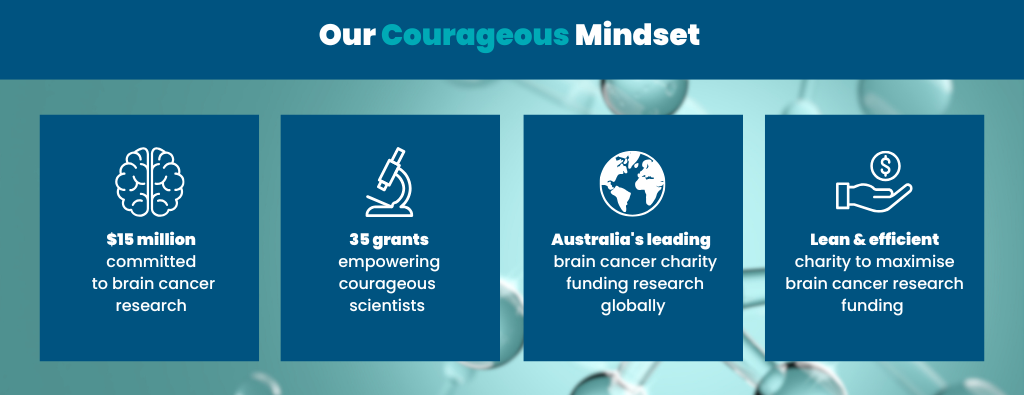
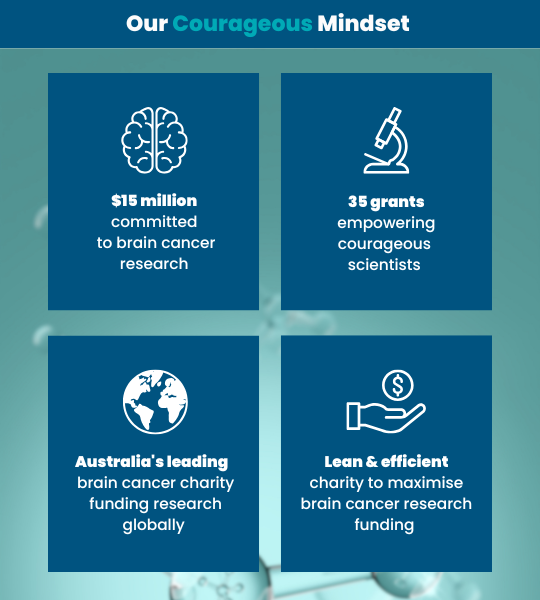
To date, the Foundation has committed $15 million to brain cancer research across 35 projects in 8 countries. The researchers we have backed have produced more than 40 peer-reviewed scientific publications, and their work has attracted approximately $50 million in follow-on funding from governments and research councils around the world. For every dollar donated to the Charlie Teo Foundation, roughly three more have been unlocked by others.

But the numbers only tell part of the story.

Across our full portfolio, we are actively funding next-generation oncolytic viruses to target the most lethal childhood brain cancers, strategies and therapies to overcome the brain tumour immune microenvironment and enhance immunotherapy, engineered bacteria as drug delivery vehicles, new models for paediatric and adult brain cancer drug testing, new models to study glioblastoma recurrence, research targeting the neuron-tumour interface, and more.

Here is some of what your support has made possible…

In partnership with Professor Matt Dun at the University of Newcastle, Australia, building one of the world’s largest genomic and proteomic resources for Diffuse Midline Gliomas (DMG, previously known as DIPG), the most lethal childhood brain cancer, profiling over 210 tumour samples including 17 from our Brain Tumour Biobank. This resource will guide the diagnosis and treatment of these devastating tumours.

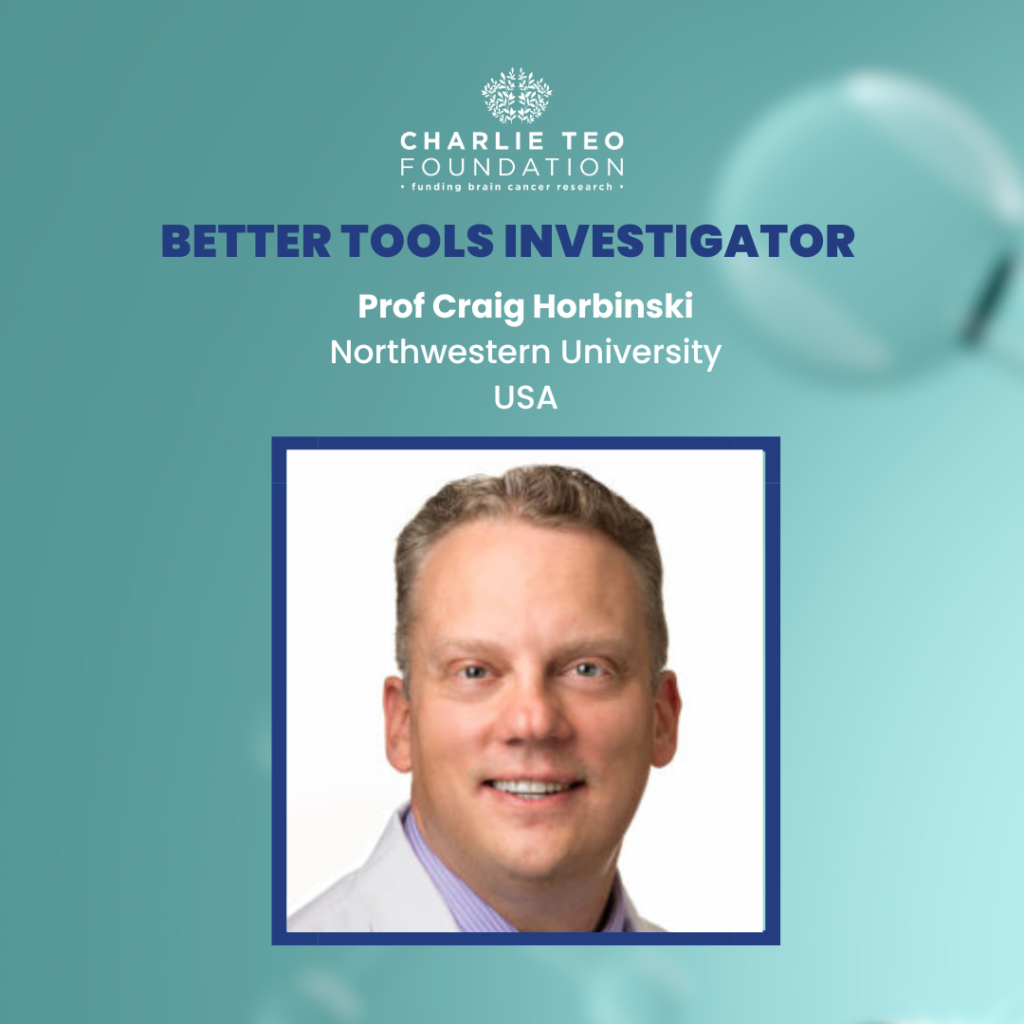
In partnership with Professor Craig Horbinski at Northwestern University, USA, developing a blood test that detects tumour DNA in the bloodstream to identify and diagnose brain tumours in children without surgery, potentially replacing the need for invasive surgical biopsy.

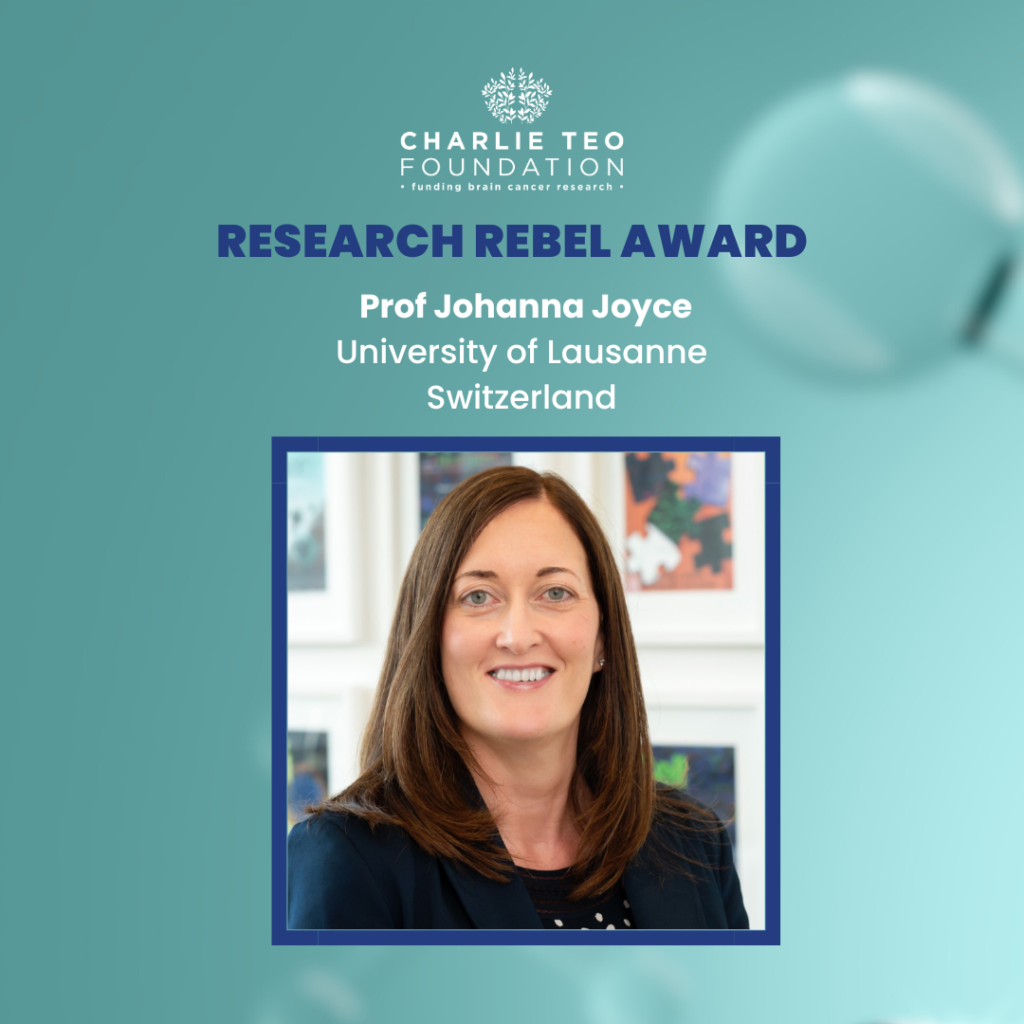
In partnership with Professor Johanna Joyce at the University of Lausanne, Switzerland, developing imaging techniques that allow scientists to look inside living brain tumours in real time, revealing how the environment surrounding a tumour, including the immune cells within it, drives cancer growth and spread. Six high-impact publications from a single Charlie Teo Foundation research grant.

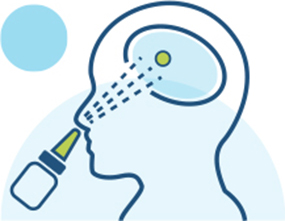
In partnership with Professor Hong Chen at Washington University in St. Louis, USA, and Little Legs Foundation, developing a method under the Alegra’s Army Grant to deliver drugs non-invasively through the nose to the brain stem using focused ultrasound, opening a new pathway for treatments that currently cannot reach aggressive paediatric diffuse gliomas. 

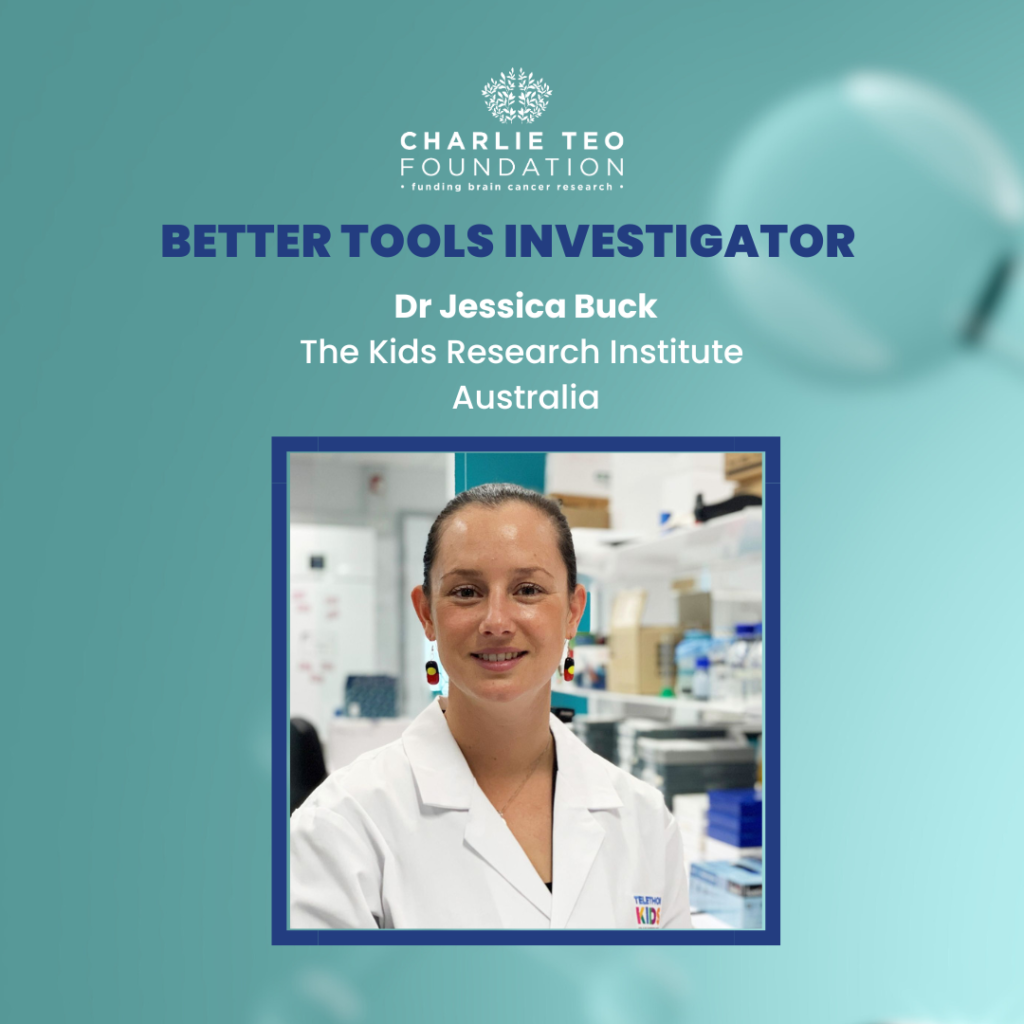
In partnership with Dr Jessica Buck at The Kids Research Institute, Australia, creating the world’s first mouse models that mimic how a child’s immune system responds to brain cancer, enabling immunotherapy testing in children for the first time.

This work has attracted over $2 million in follow-on funding and is laying the groundwork for clinical trials.

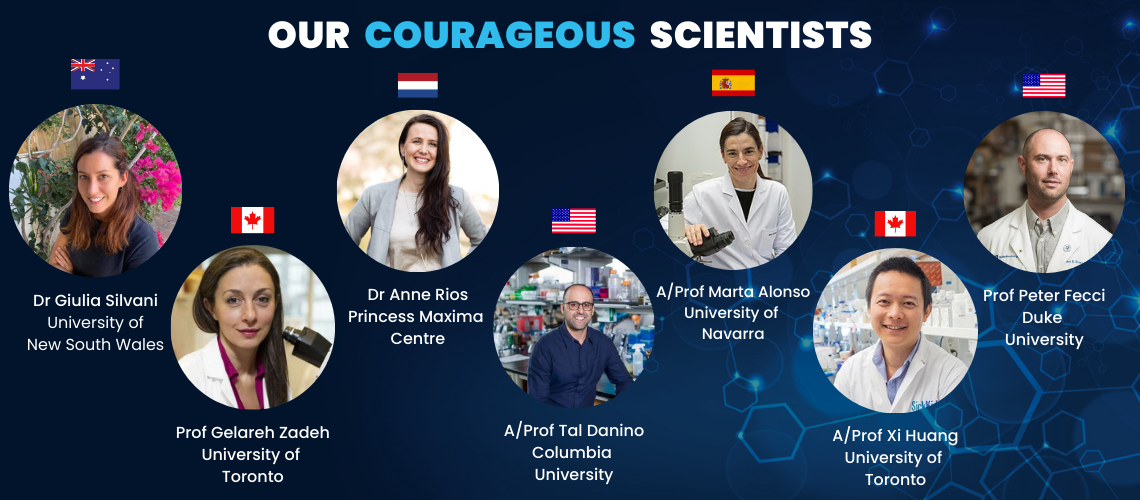
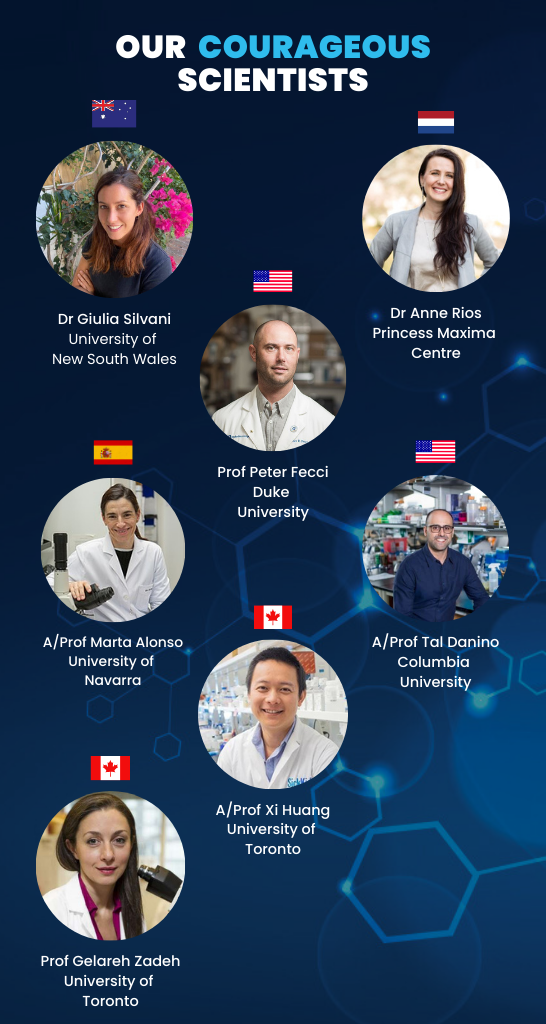
In partnership with Dr Anne Rios at the Princess Maxima Centre in the Netherlands and Little Legs Foundation, creating the world’s first lab-grown DIPG/DMG organoids under the Alegra’s Army Grant that closely replicate the biology of these tumours, providing a more accurate and scalable platform for testing emerging therapies than has ever been possible before. This work was published in Nature Cancer in January 2026.

RESEARCH SPOTLIGHT

Our long-standing partnership with the Garvan Institute of Medical Research & our Brain Tumour Biobank

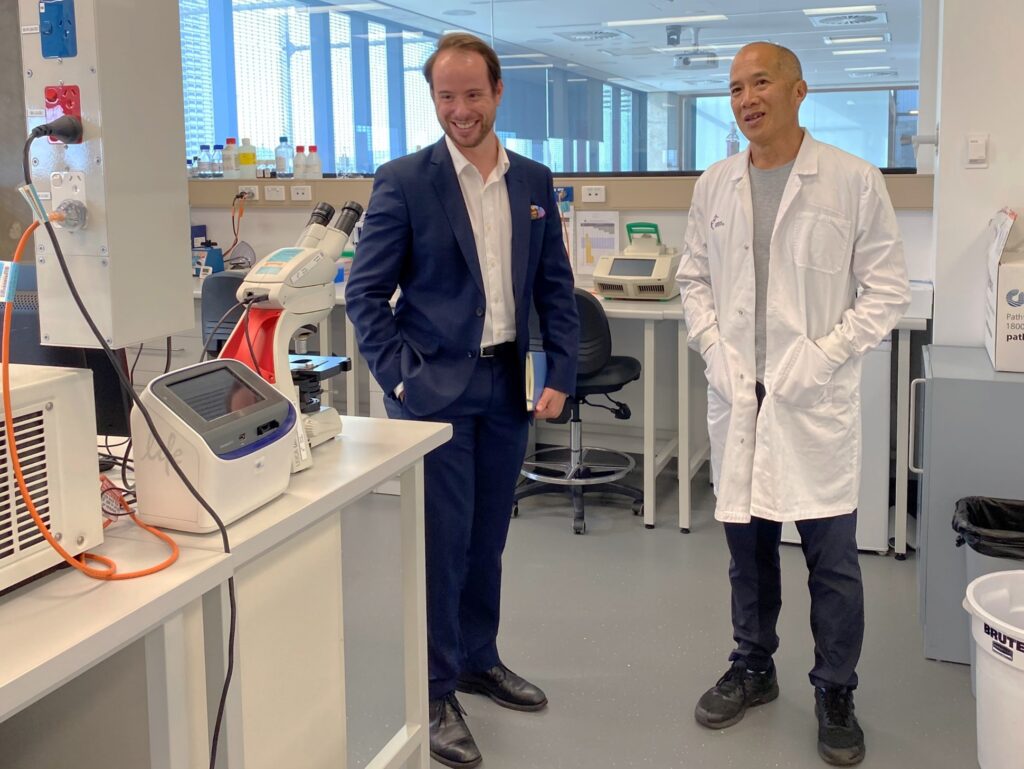
Of all the work we have supported over the past eight years, few stories illustrate the power of sustained, strategic investment better than our partnership with Professor Joseph Powell and the Garvan Institute of Medical Research, and the role our funding and Brain Tumour Biobank has played in making it possible.

The Science

Brain tumours like GBM are not uniform masses of identical cells. They are extraordinarily complex, containing many different cell types that behave differently and respond to treatment differently. This diversity is one of the central reasons why brain cancer is so hard to treat. A therapy that kills most cells in a tumour may leave a small population behind, and those surviving cells can regrow the tumour and resist future treatment.

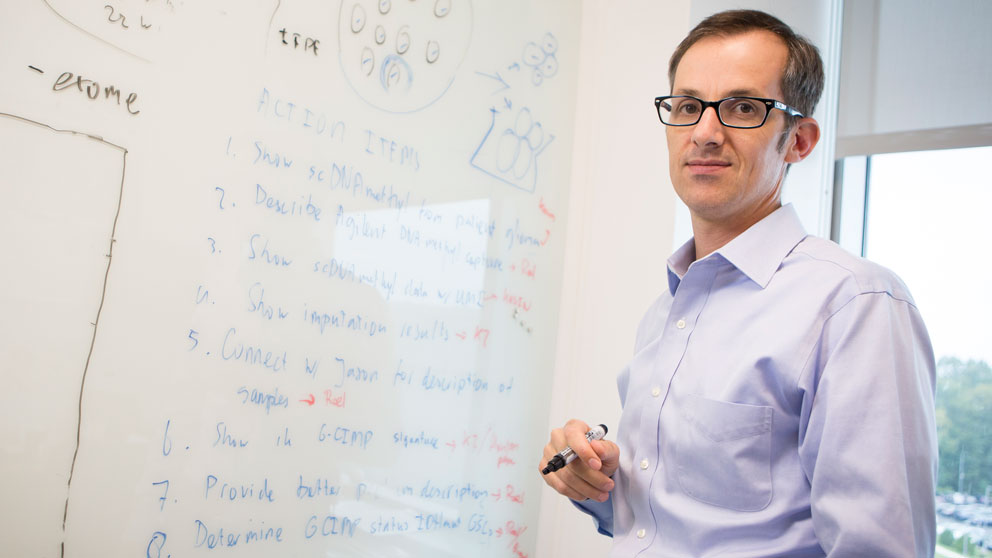
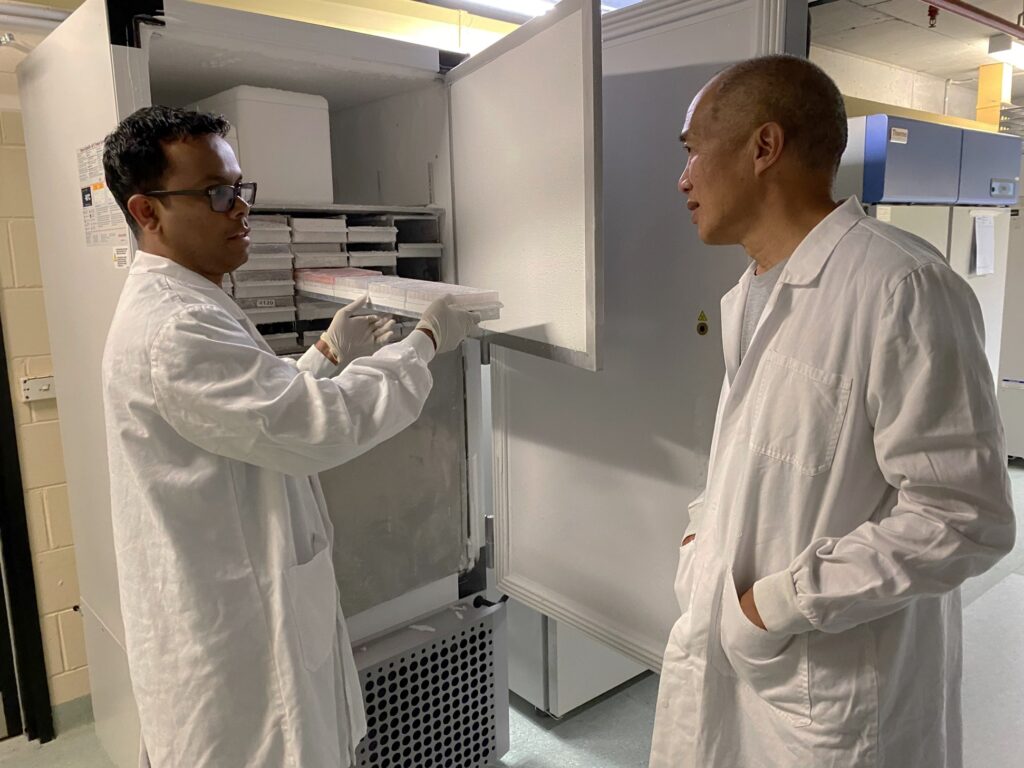
Since 2019, we have invested over $3 million in the Powell Lab at Garvan to investigate brain tumour heterogeneity. Using cutting-edge single-cell genomics and tumour specimens from our Brain Tumour Biobank, Professor Powell’s team built one of the world’s largest brain cancer atlases, profiling over 1.2 million cells from more than 200 adult brain tumour samples. What it revealed has shifted how we think about the most aggressive adult brain tumours.

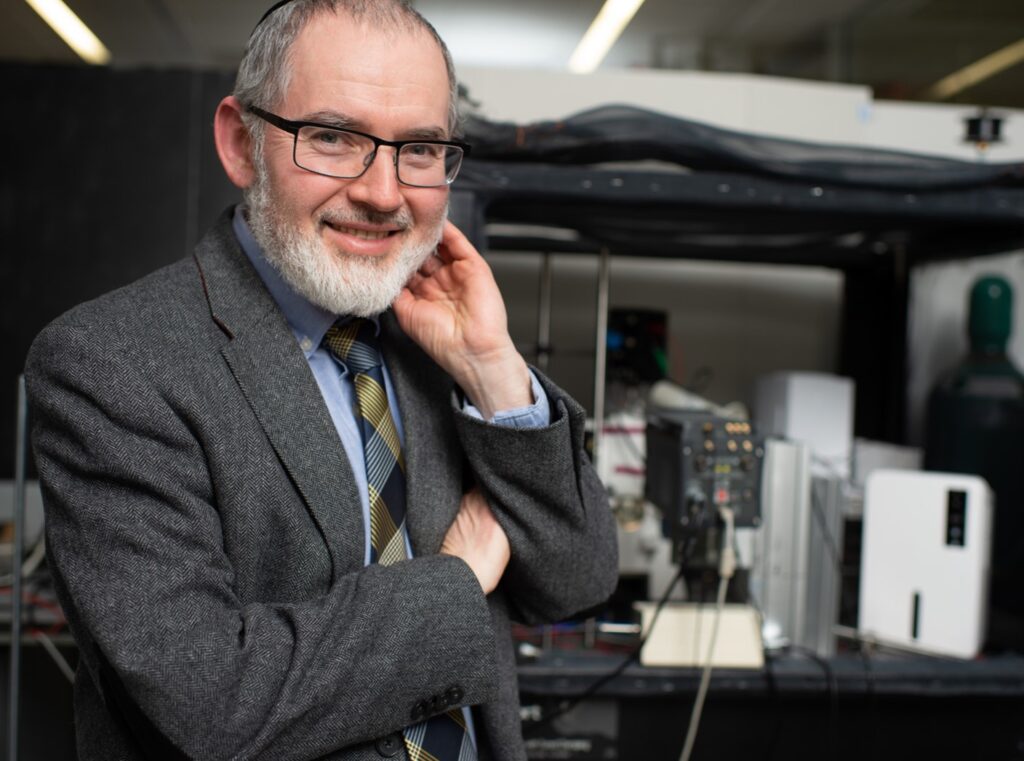
"Thanks to our leading single-cell genomics capability and the Brain Tumour Biobank, we are at a turning point in how we understand brain cancer. The therapy targets we are identifying are pointing us toward promising new avenues for treatment that we hope will be transformative for patients." - Professor Joseph Powell, Garvan Institute of Medical Research

Buried within the complexity of each tumour, the research identified a rare population of cells, representing only 5 to 12 per cent of all malignant cells, that appear to be the parental cells of the tumour itself. These parental stem cells are now understood to be the root of tumour heterogeneity, the likely reason tumours recur after treatment, and the likely reason standard therapies so often fail.

This discovery has set the agenda for the next phase of the partnership. The Powell Lab is now working to validate these findings, isolating glioma stem cells from fresh tumour tissue, characterising them in molecular detail, and identifying vulnerabilities that could be targeted with new therapies. If successful, this could lead to treatments designed to eliminate the very cells responsible for rooting tumour growth and recurrence. That would represent a fundamentally more durable approach to treating the most aggressive adult brain cancers.

Our Brain Tumour Biobank

None of this work is possible without access to real human brain tumour tissue, and that is where the Brain Tumour Biobank sponsored by Charlie Teo Foundation comes in.

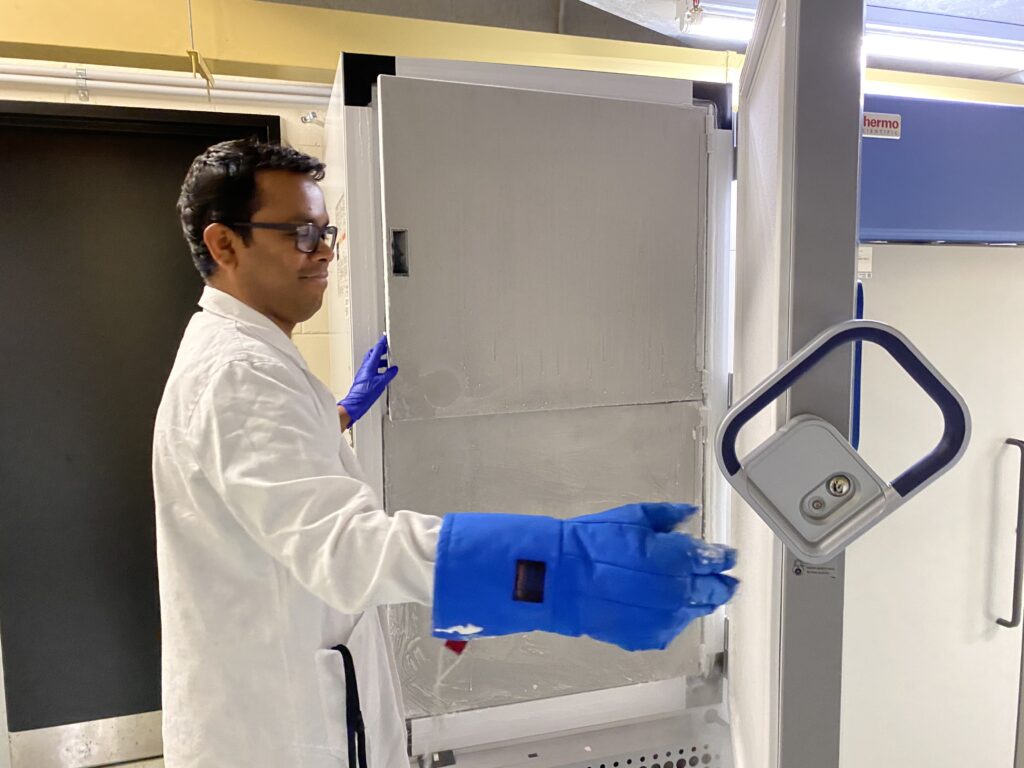
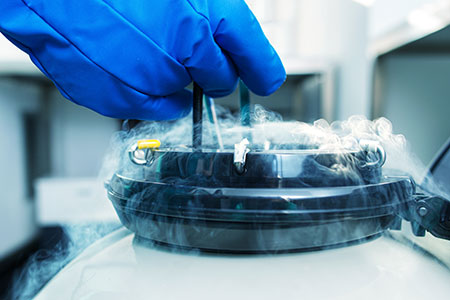
Over fifteen years of operation, the Biobank has collected close to 1,000 biospecimens from brain cancer patients and shared over 450 biospecimens for high-impact research, building one of Australia’s most significant research resources in this field.

Operating under an independent Human Research Ethics Committee with site authorisations, tumour specimens are collected at St Vincent’s Private Hospital, Sydney in collaboration with the neurosurgical team and processed in partnership with scientists at Garvan. Over the last year alone, 32 samples from 31 patients have been collected, with 20 already shared with Garvan to support Professor Powell’s glioma stem cell research. Each specimen represents a patient’s contribution to science that could one day change how this disease is treated.

OUR RESEARCH STRATEGY

Built for the decade ahead

We fund research today that will address unmet needs in brain cancer, push boundaries, support bold talent, and fuel the discoveries patients will need tomorrow.

We back proof-of-concept ideas that government funding will not touch, scale the most promising findings toward major investment, and where the opportunity exists, bridge the final step toward human applications. Most early projects will yield incremental advances. A small number will shift the field entirely. Our job is to back enough of the right people, with enough conviction, to make those breakthroughs more likely.

We fund across borders and disciplines, because we know the next discovery could come from a biomedical engineer, a computational scientist, a neurosurgeon, or a researcher working somewhere no one is currently looking.

A cure for brain cancer can come from anywhere. Our strategy is built to find it.

The Ripple Effect...

The impact of our grants does not stop at the research they fund directly. Again and again, our support has opened doors, launched careers, and attracted funding many times the size of our own investment.

Our researchers are not just the beneficiaries of our funding. They are the community we have helped build, and they will be working on brain cancer long after any one grant has ended.

"I would like to thank the Charlie Teo Foundation for their support in our project to identify novel signatures that contribute to brain cancer cell invasion and tumour recurrence.

We have now received $2M in funding from the NHMRC Ideas Grants scheme to test their potential as novel tumour targets for developing new therapies for brain cancer patients."

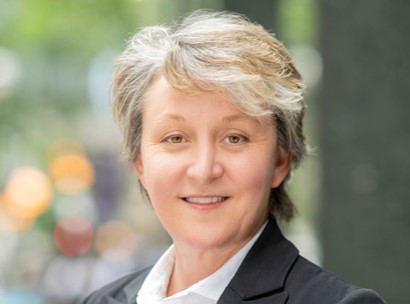
Dr Guillermo Gomez, University of South Australia

"I am very grateful for the Charlie Teo Foundation's support. My work in brain cancer would not have been possible without their funding and because of this, I plan to continue working in brain cancer for the long run."

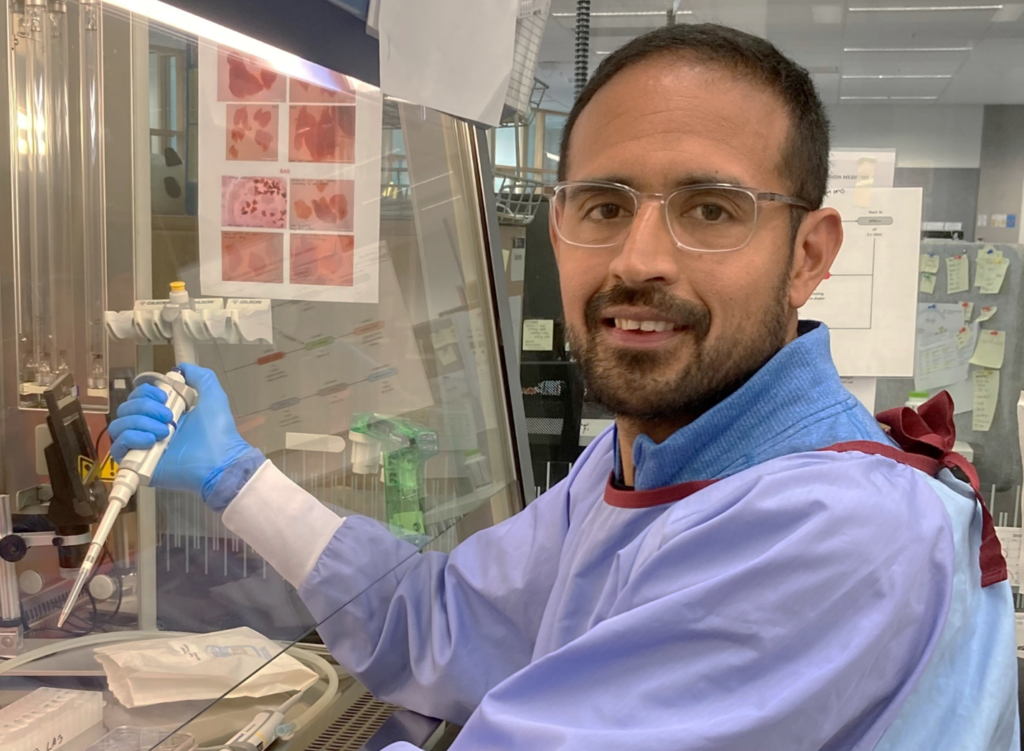
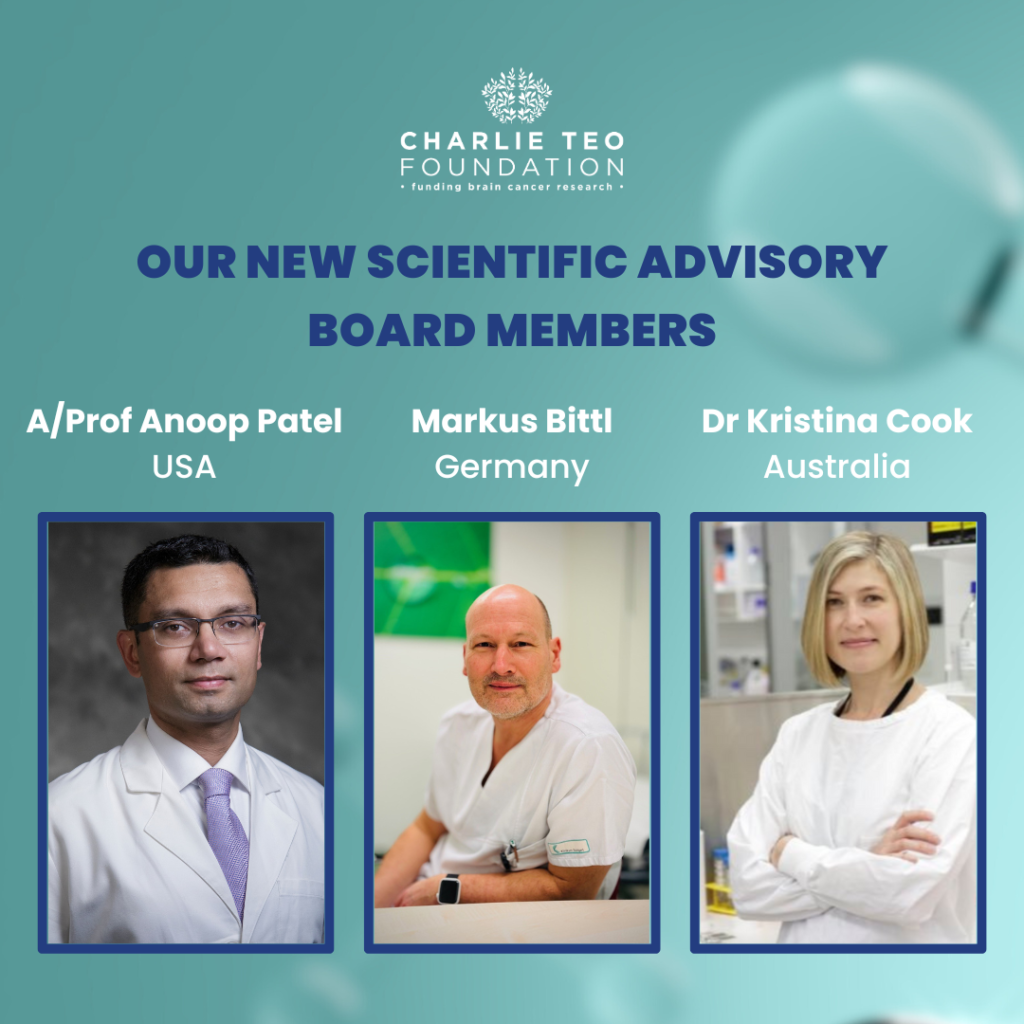
Dr Kristina Cook, University of Sydney

"Support from the Charlie Teo Foundation has been truly transformative for my research and career!

It enabled critical preliminary work that I have been able to present at major national and international conferences and helped establish strong international collaborations in the brain cancer research community. This support also helped me generate the data needed to secure a prestigious Discovery Early Career Research Award from the Australian Research Council, which will now support my development as an independent research leader."

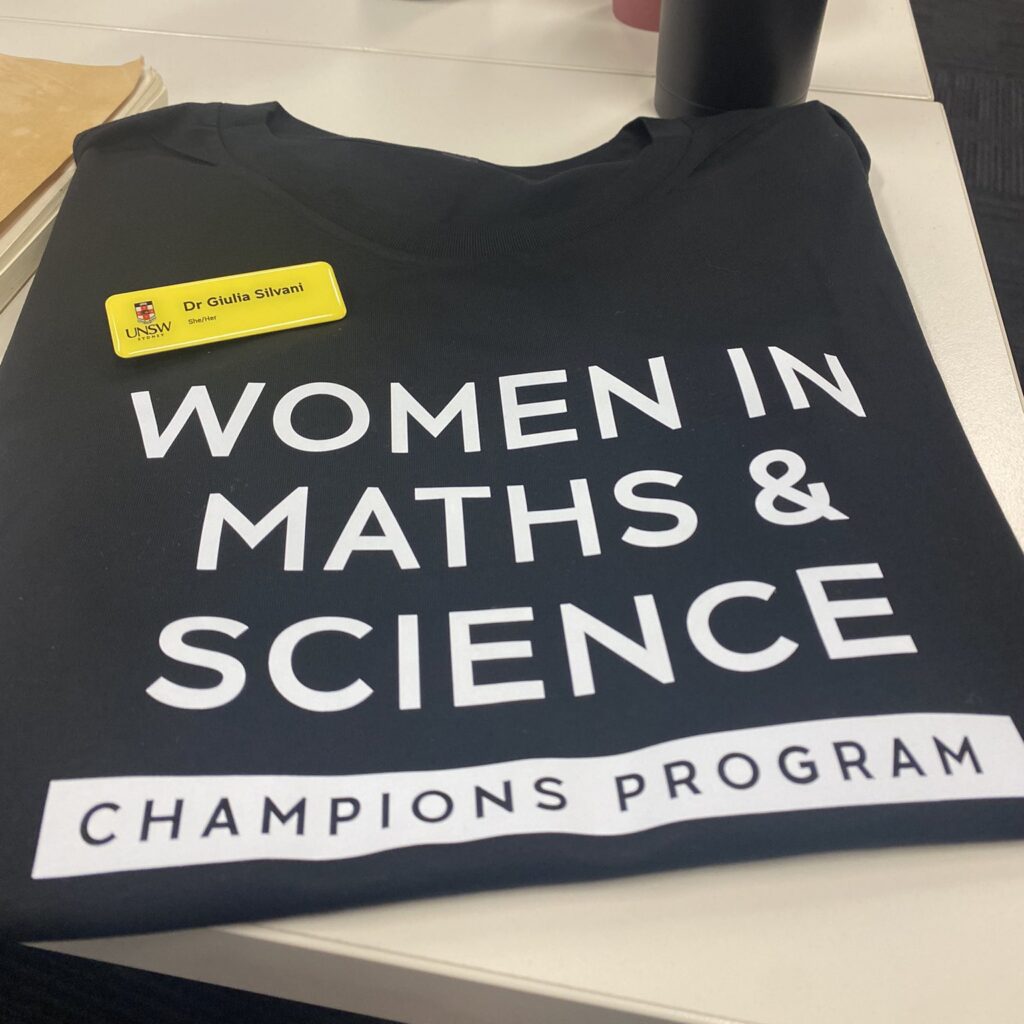
Dr Giulia Silvani, University of New South Wales

"As a team, we feel very honoured to have received the trust and financial support from the Charlie Teo and Little Legs Foundations through a Teo Research Rebel - Alegra’s Army Grant.

This grant has enabled us to pioneer a new strategy for performing diffuse midline glioma (DMG) preclinical research: trying to find or improve treatments for this devastating paediatric brain cancer.

We did so by building a new organoid model – a mini organ in the lab that mimics the specific area in the brain where DMG tumours arise. Creating such a new model requires a lot of groundwork to show that it accurately captures tumours found in patients and that it can be meaningfully applied for treatment development. Therefore, vast resources both in terms of lab equipment and supplies, but also people are needed. This work truly represents a team effort; multiple researchers contributing equally, each with their own unique knowledge and expertise.

Thanks to the support from the Charlie Teo Foundation and Little Legs Foundation we could invest the required resources and time into this important project."

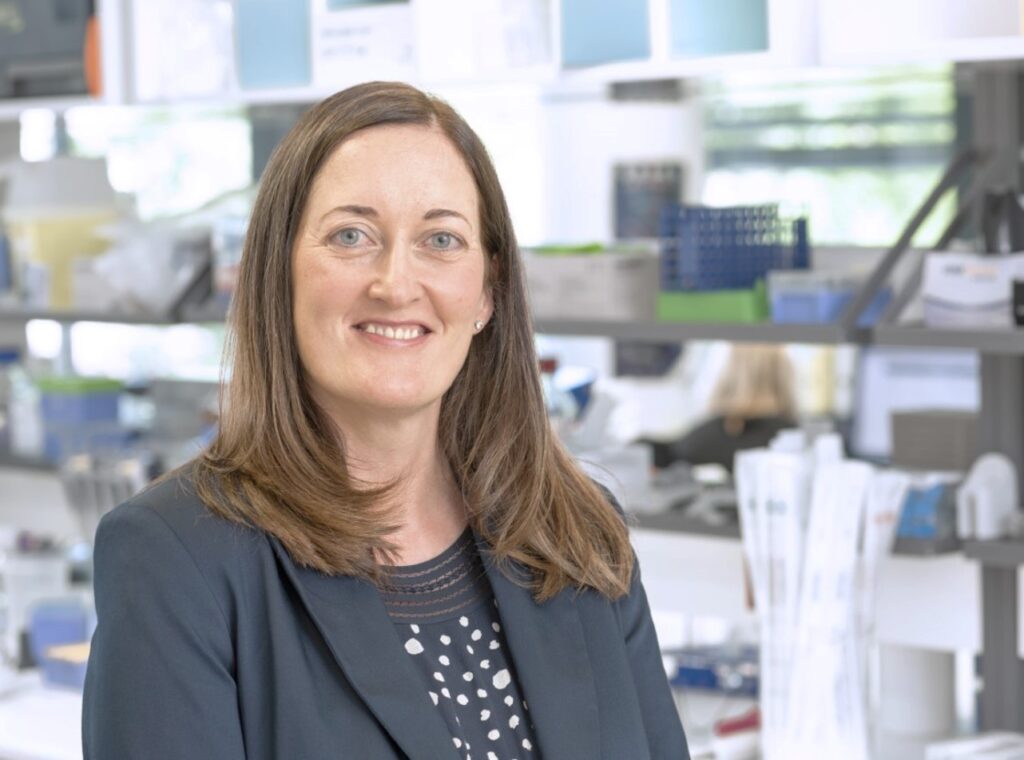
Dr Anne Rios, Dream3D Lab, Princess Maxima Center

The work continues...

The science has never been more exciting. Across our portfolio, researchers are asking questions that weren’t possible five years ago, using tools that didn’t exist a decade ago, and inching closer to answers that could change what brain cancer means for patients and families.

Brain cancer remains one of medicine’s hardest problems. Survival rates for the most aggressive tumours have barely moved in half a century, and the need for better treatments has never been greater. But with the right people, the right strategy, and the right support behind them, we believe the biggest breakthroughs are still ahead of us.

Charlie Teo Foundation has never been better placed to find them. The strategy is strong, the pipeline is active, and the team behind this work is deeply committed to the mission we started in 2018.

When you support the Charlie Teo Foundation, you are funding world-class, boundary-pushing brain cancer research and backing the scientists bold enough to pursue it.

Together we can REBEL against brain cancer, challenge the status quo for research, and fight against all that has held back innovation and progress!